
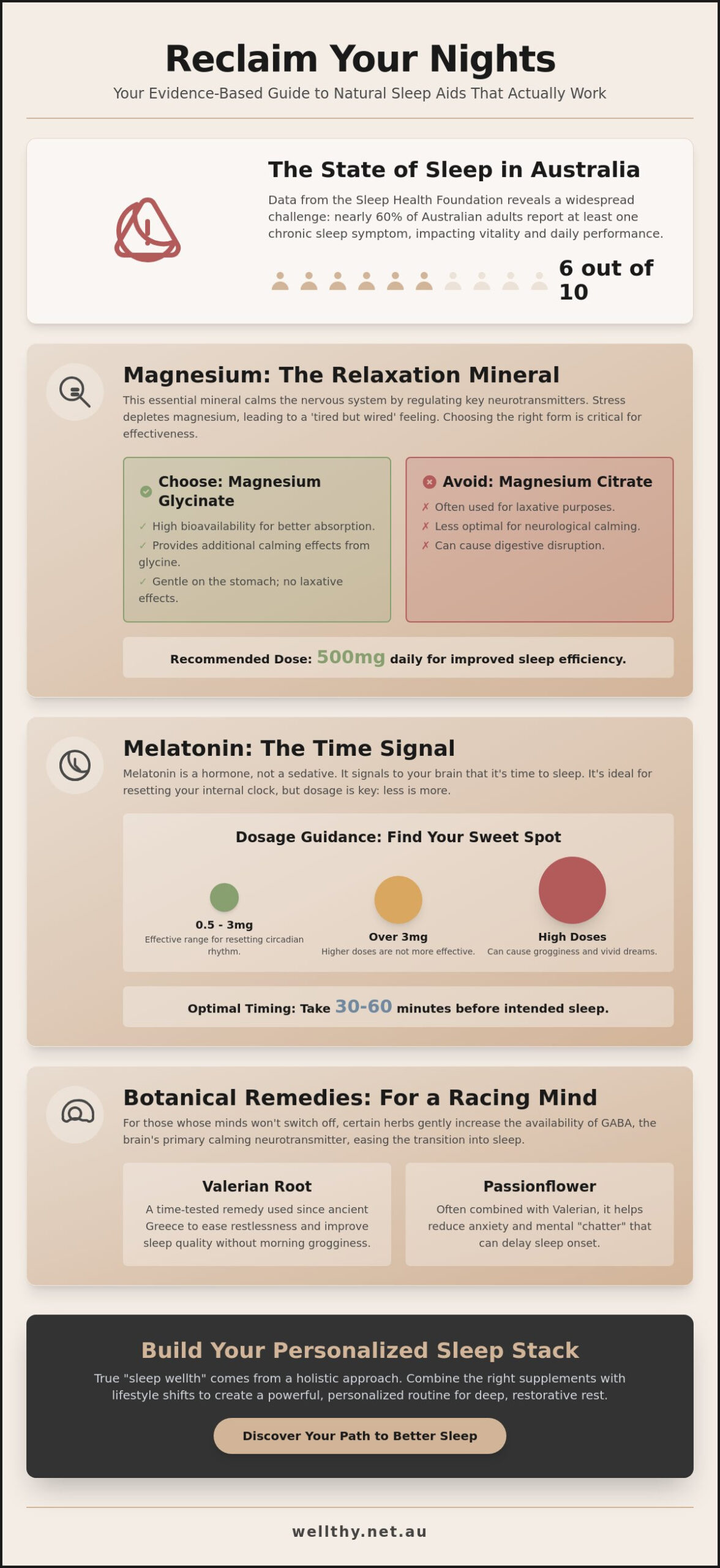
Your bank account isn’t the only place where you should be looking for a high return on investment this year. In 2026, your “sleep wellth” is the most valuable asset you’ll manage, yet nearly 60% of Australian adults still report at least one chronic sleep symptom according to data from the Sleep Health Foundation. You’ve likely spent hours scrolling through endless supplement aisles or felt the heavy, foggy frustration of another 3 p.m. energy crash. It’s exhausting to navigate a market saturated with empty promises when you’re simply seeking natural sleep aids that actually work.
You deserve a rest strategy that prioritises your long-term vitality without the heavy side effects or dependency of traditional sedatives. We’re here to help you reclaim your nights by discovering evidence-based remedies and rituals designed to build a foundation for lasting health. This guide explores the most effective botanical supports and lifestyle shifts, providing you with a clear roadmap to wake up feeling refreshed and truly wellthy every single morning.
Key Takeaways
- View your rest as a vital investment in your long-term vitality by understanding how natural supports align with your body’s unique biological rhythms.
- Discover the evidence-based benefits of magnesium and the precise timing required for melatonin to support deep, restorative slumber without disruption.
- Explore sensory-driven natural sleep aids that actually work, including how specific botanical rituals like aromatherapy can physically signal your brain to wind down.
- Learn to build a bespoke “sleep stack” that addresses your specific barriers, allowing you to create a personalized routine tailored to your Australian lifestyle.
- Master the art of the sleep sanctuary by addressing environmental triggers like blue light to ensure your home remains a true haven for recovery.
Understanding the Science of Natural Sleep Aids
Sleep isn’t just a passive break from your day; it’s the ultimate investment in your long-term vitality. When we talk about natural sleep aids that actually work, we aren’t referring to substances that force your brain into submission. Instead, these are compounds that gently support your body’s existing biological machinery. Think of them as a supportive partnership with your nervous system, designed to facilitate a transition rather than a total shutdown.
At Wellthy, we believe that rest is the foundation of all “wellth.” You’re investing in your future self every time you prioritize a deep, restorative night. Unlike heavy sedatives that effectively “switch off” the brain, natural aids invite sleep by aligning with your circadian rhythm. This internal 24-hour clock regulates the release of melatonin, the hormone that signals to your cells that it’s time to repair and rejuvenate. While many people look into Understanding Hypnotics to manage chronic insomnia, these often act as blunt instruments. Natural alternatives work with your body’s chemistry rather than overriding it, ensuring you wake up feeling refreshed rather than groggy.
Why Natural Remedies are Gaining Popularity
Many Australians are moving away from traditional pharmaceutical options to avoid the “hangover” effects that often cloud the following morning. A 2023 survey by the Sleep Health Foundation found that approximately 60% of adults experience at least one sleep symptom regularly, leading to a surge in demand for non-habit-forming solutions. This shift reflects a broader commitment to functional health within Australian wellness culture. We’re seeing a collective move toward addressing the root causes of restlessness, such as magnesium deficiencies or high evening cortisol, rather than simply masking the symptoms with synthetic chemicals.
Biological Mechanisms: How They Actually Work
GABA functions as the brain’s primary inhibitory neurotransmitter. Certain minerals and herbs interact with these nervous system receptors to induce a state of calm and reduce the “noise” of a racing mind. For example, magnesium acts as a natural relaxant by regulating neurotransmitters that send signals throughout the brain and body. However, the effectiveness of these supplements depends heavily on bioavailability. Choosing high-quality, TGA-listed formulations ensures that your body can actually absorb and utilize the nutrients, turning a simple supplement into a sustainable pillar of your health routine.
The Most Effective Natural Supplements for Deep Slumber
Investing in your rest is the ultimate form of wellth. While environment and routine are the pillars of hygiene, finding natural sleep aids that actually work can bridge the gap between a restless mind and restorative slumber. These supplements don’t just “knock you out”; they support the biological pathways that allow your body to heal and recover during the night.
Magnesium: The Foundation of Sleep Wellth
Magnesium is often called the relaxation mineral because it regulates neurotransmitters that quiet the nervous system. For those in high-pressure Australian professional roles, stress often depletes magnesium levels, leading to a “tired but wired” feeling. When choosing a supplement, magnesium glycinate is the preferred choice over magnesium citrate. Glycinate is bound to the amino acid glycine, which enhances absorption and provides additional calming effects without the laxative side effects common in other forms. Clinical studies, including a 2012 trial published in the Journal of Research in Medical Sciences, suggest that a daily dose of 500mg can significantly improve sleep efficiency and melatonin production.
Melatonin: Use with Intention
Melatonin is a naturally occurring hormone, not a sedative. It acts as a biological signal that tells your brain it’s time to transition into sleep. It’s particularly effective for managing jet lag or shift work transitions. However, many people make the mistake of taking too much. A “less is more” approach is vital; doses between 0.5mg and 3mg are usually sufficient. Taking high doses can lead to morning grogginess or vivid dreams. This aligns with Johns Hopkins’ sleep advice, which emphasizes using melatonin as a short-term tool to reset your internal clock rather than a permanent crutch. For the best results, take it 30 to 60 minutes before your intended sleep window.
Herbal Powerhouses: Valerian and Passionflower
If your mind tends to race the moment your head hits the pillow, botanical extracts can offer a gentle solution. Valerian root has been used since ancient Greek times to treat insomnia. It works by increasing the availability of GABA, a chemical messenger that helps the brain shut down for the night. Passionflower is a milder alternative, often used to reduce mild sleep-onset anxiety. When shopping in Australia, look for “standardized extracts” to ensure you’re getting a consistent concentration of active compounds. You might also consider amino acids like L-Theanine and Glycine. Glycine is particularly interesting because it can lower core body temperature, a physical signal that triggers the start of the sleep cycle.
Finding the right balance of natural sleep aids that actually work is a personal journey. You might find that personalised health support helps you navigate these options to find a sustainable rhythm that suits your unique lifestyle.
Botanical Remedies and Soothing Sleep Rituals
True restoration isn’t just about what you swallow; it’s about the environment you curate. While capsules have their place in a wellness routine, sensory experiences provide the psychological cues your brain needs to power down. Investing in these rituals is a form of “wellth” that pays dividends in your daily vitality. You aren’t just seeking a quick fix. You’re building a sustainable foundation for long-term health by signaling to your nervous system that the day’s demands have ended.
The Power of Aromatherapy and Lavender
Lavender oil is one of the few natural sleep aids that actually work by directly influencing the autonomic nervous system. A 2005 study at Wesleyan University confirmed that inhaling lavender before bed increases the percentage of deep, slow-wave sleep. This process works by lowering your heart rate and blood pressure, which physically nudges your body into a state of calm. It’s a simple, evidence-based way to improve sleep quality without pharmaceutical intervention.
You can integrate this into your evening easily:
- Add 3 to 5 drops of pure lavender oil to a bedside diffuser.
- Use a light pillow mist before lying down.
- Place a few drops in a warm bath to combine scent with temperature regulation.
For frequent Australian travelers, this scent-memory connection is a powerful tool. Your brain associates specific floral notes with the safety of home. This helps you find rest in hotel rooms across different time zones throughout Australia, by providing a familiar sensory anchor.
Nighttime Elixirs: Tart Cherry and Chamomile
Your choice of evening beverage can significantly impact your sleep architecture. Tart cherry juice, specifically the Montmorency variety, is a natural source of melatonin and tryptophan. Research published in the European Journal of Nutrition found that participants who consumed tart cherry juice concentrate for seven days saw significant increases in melatonin levels and total sleep time. This isn’t just a drink; it’s a functional tool for hormonal alignment.
Chamomile tea offers a different pathway to peace. It contains apigenin, an antioxidant that binds to certain receptors in your brain to decrease anxiety and initiate sleep. The “tea ritual” itself serves as a vital digital-free transition period. By stepping away from screens and focusing on the warmth and aroma of the cup, you give your mind the 20 minutes it needs to detach from the day’s stressors. This intentional pause is as restorative as the ingredients themselves, creating a clear boundary between the busyness of the day and the stillness of the night.
How to Build Your Personalized Sleep Stack
True vitality begins with a restful night. Finding natural sleep aids that actually work is a process of refinement, not a one-size-fits-all purchase. You’re investing in your “wellth” when you take the time to understand your body’s unique nocturnal rhythm. Building a stack requires a structured, patient approach to ensure each element serves a specific purpose.
- Step 1: Identify your barrier. Determine if your issue is sleep latency (falling asleep) or sleep maintenance (staying asleep).
- Step 2: Establish an “anchor.” Start with a single supplement, such as magnesium glycinate, for at least 14 days before adding anything else.
- Step 3: Layer for anxiety. If a racing mind is your main hurdle, introduce a secondary botanical aid like passionflower or ashwagandha.
- Step 4: Audit the “Sleep Sanctuary.” Ensure your environment is below 18 degrees Celsius and completely dark to support your supplements.
- Step 5: Consult a professional. Speak with a GP or pharmacist to ensure your stack won’t interact with existing Australian prescriptions.
Addressing the “Falling Asleep” vs. “Staying Asleep” Debate
If you find yourself staring at the ceiling at 10 PM, L-Theanine is an excellent choice. It’s an amino acid that promotes relaxation without heavy sedation, making it ideal for those with high evening cortisol. If you’re waking up at 3 AM feeling alert, a slow-release magnesium or 3 grams of glycine can help maintain sleep architecture throughout the night. Your stack should be dynamic. You might need extra support on high-stress Tuesdays, but less on a relaxed Saturday night. This flexibility allows you to remain in tune with your body’s changing needs.
Safety and Quality: Choosing Reputable Brands
Quality is a non-negotiable factor when selecting natural sleep aids that actually work. In Australia, look for products that are TGA-listed and undergo rigorous third-party testing for purity. While a A$12 bottle from a supermarket might seem like a bargain, these often contain fillers or low-bioavailability forms of minerals that provide little benefit. High-quality supplements are an investment in your long-term health and cognitive function. You can gain insight into how premium companies maintain these standards by researching health and fitness brand partnerships to see how the industry’s leaders align themselves with efficacy and transparency.
Start small. By introducing one element at a time, you can accurately track how your body responds to specific nutrients. This methodical approach reduces the risk of side effects and ensures you aren’t wasting money on ingredients you don’t actually need. It’s about creating a sustainable ritual that feels like a supportive partnership with your nervous system.
Ready to optimize your health journey? Start your path to better rest by exploring our personalized health coordination services today.
Beyond Supplements: Cultivating a Sustainable Sleep Sanctuary
You might find yourself taking magnesium or sipping chamomile tea while still staring at the ceiling at 2 am. It’s a common frustration. While these are excellent natural sleep aids that actually work for many, they can’t always overcome a chaotic environment. Your bedroom should function as a dedicated recovery suite. If your external surroundings don’t signal safety and rest to your nervous system, supplements will only do half the work. True vitality requires a foundation of intentional sleep hygiene.
Temperature plays a massive role in how deeply you drift off. The Sleep Health Foundation suggests that a room kept around 18 degrees Celsius is optimal for most adults. Your core body temperature needs to drop to initiate the sleep cycle. If your bedroom is too warm, your heart rate stays elevated, and you’ll likely miss out on restorative REM stages. Consider using breathable linen sheets or a ceiling fan to maintain this cool, consistent climate throughout the night.
There are moments when self-care needs to transition into professional care. We encourage you to listen to your body’s specific signals. Keep an eye out for these indicators that it’s time to seek expert guidance:
- Consistent gasping or snoring: This often indicates obstructive sleep apnea, a condition affecting roughly 5 percent of Australians.
- Chronic insomnia: If you struggle to fall asleep three or more nights a week for over three months, it’s time to speak with a GP.
- Persistent daytime fatigue: Feeling exhausted despite eight hours of rest may suggest poor sleep quality that requires clinical investigation.
The Light-Dark Cycle and Your Digital Wealth
Screen light is a silent disruptor of your hormonal health. Blue light exposure suppresses melatonin production for up to 120 minutes, tricking your brain into thinking it’s midday. Try a “digital sunset” by putting away all devices 60 minutes before bed. To protect your sleep architecture, install blackout curtains or use a high-quality silk eye mask. These aren’t just accessories; they’re essential hardware for maintaining your internal rhythm and protecting your focus for the day ahead.
If you find that total silence makes your mind race, switching to narrated content is an excellent screen-free alternative for your digital sunset. For authors and creators looking to share their work with new audiences, Code Prospector offers a specialized platform to manage and distribute promotional codes effectively.
The Wise Guide’s Conclusion: Rest as a Radical Act
Natural aids are supportive tools, but a holistic lifestyle remains the true engine of your vitality. We invite you to stop viewing sleep as a chore to be completed and start seeing it as a luxurious investment in your future self. By choosing to prioritise rest, you’re actively growing your personal wellth. These small, consistent shifts in your evening routine lead to the most significant improvements in your daily energy. Your journey toward better health starts tonight with a single, quiet breath.
Securing Your Sleep Wellth for the Year Ahead
Rest isn’t a luxury; it’s the foundation of your vitality. By integrating a personalized sleep stack with evidence-based botanical remedies, you’re doing more than just closing your eyes. You’re discovering natural sleep aids that actually work to regulate your circadian rhythm and deepen restorative cycles. Recent 2024 reports from the Sleep Health Foundation indicate that nearly 40% of Australian adults struggle with inadequate sleep, making these holistic interventions essential for long-term health. Viewing your nightly routine as an investment in your wellth ensures you wake up ready to thrive in 2026.
Thriving in health means having the energy to celebrate every milestone, including the arrival of a new family member. For those in Sydney, Moments In Bloom Photography offers a professional way to capture the beauty of maternity and newborn portraiture.
We’re dedicated to bringing this level of clarity to the Australian wellness market through expert-led editorial content. If you represent a lifestyle brand focused on evidence-based holistic health and want to connect with an engaged audience, explore our Brand Partnership Packages. We’re trusted by leading lifestyle brands to deliver authentic, human-centric narratives that drive genuine growth. Your journey toward better rest starts tonight.
Frequently Asked Questions
Are natural sleep aids safe to take every night?
Most natural sleep aids are best used as short-term bridges rather than permanent crutches. The Sleep Health Foundation Australia suggests using supplements like melatonin for 1 to 4 weeks to reset your cycle. Relying on them every night may prevent you from addressing the root cause of your fatigue. True wellth comes from sustainable habits that support your body’s natural ability to drift off without external help.
Can I take magnesium and melatonin together?
You can safely combine magnesium and melatonin to support different aspects of your rest. Magnesium aids muscle relaxation and nervous system calm, while melatonin signals to your brain that it’s time for bed. A 2011 clinical trial involving 43 elderly participants found that this combination significantly improved sleep efficiency. This dual approach helps you invest in a more holistic and restorative evening routine.
How long does it take for natural sleep aids to start working?
The onset of action depends on the specific supplement you choose. Melatonin usually reaches its peak concentration in your system within 30 to 60 minutes. In contrast, mineral supplements like magnesium may require 2 to 4 weeks of daily intake to notice a shift in sleep quality. Finding natural sleep aids that actually work requires patience and an understanding of your unique biological timeline.
Will natural sleep aids make me feel groggy in the morning?
Grogginess is rare but can occur if your dosage is too high or taken too late in the evening. Research published in Sleep Medicine Reviews indicates that 10% of users might experience a “hangover” effect from high-dose melatonin. To maintain your morning vitality, start with the lowest effective dose. This ensures you wake up feeling refreshed and aligned with your day rather than weighed down by lingering supplements.
What is the best natural sleep aid for anxiety-related insomnia?
Ashwagandha and L-theanine are excellent choices for calming a racing mind before bed. Studies show that taking Ashwagandha can reduce physiological cortisol levels by up to 30% after 60 days of consistent use. These natural sleep aids that actually work target the stress response directly. By lowering these internal barriers, you create the necessary space for your mind to settle into a deep, peaceful nourishment.
Can I use natural sleep aids if I am already taking prescription medication?
You must consult your GP or a pharmacist before mixing any supplements with prescription drugs. Certain herbs, like St John’s Wort, are known to interact with 50% of all pharmaceutical medications. Your safety is the most important human element in any health journey. A professional consultation ensures that your path to better sleep is both evidence-based and harmoniously integrated with your existing medical care.
Is CBD considered a natural sleep aid, and does it work?
CBD is a plant-derived compound that many Australians use to support their nightly restoration. In 2021, the Therapeutic Goods Administration down-scheduled low-dose CBD to Schedule 3, making it more accessible. A 2019 study in The Permanente Journal found that 66.7% of patients reported improved sleep scores within the first month. It acts as a gentle tool for those seeking to balance their internal systems and improve overall vitality.